
AI agents have a marketing problem. Every software company wants to sell you one, but most of the pitch decks skip the part where they explain what the thing actually does. The term gets tossed around like everyone already agreed on what it means. They didn’t.
So let’s fix that. Then we can talk about whether any of this matters for your business.
What an AI Agent Actually Is
An AI agent is software that does things on its own. Not “answers a question when you ask it” like ChatGPT. Not “suggests a word while you type” like autocomplete. An agent watches for something to happen, decides what to do about it, and then does it. Without you sitting there clicking buttons.
Here’s a real example. Someone fills out a contact form on your website. An AI agent reads that submission, figures out if it’s a sales inquiry or a support question, drafts the right response, logs the contact in your CRM, and sends a follow-up. You check in later and it’s handled.
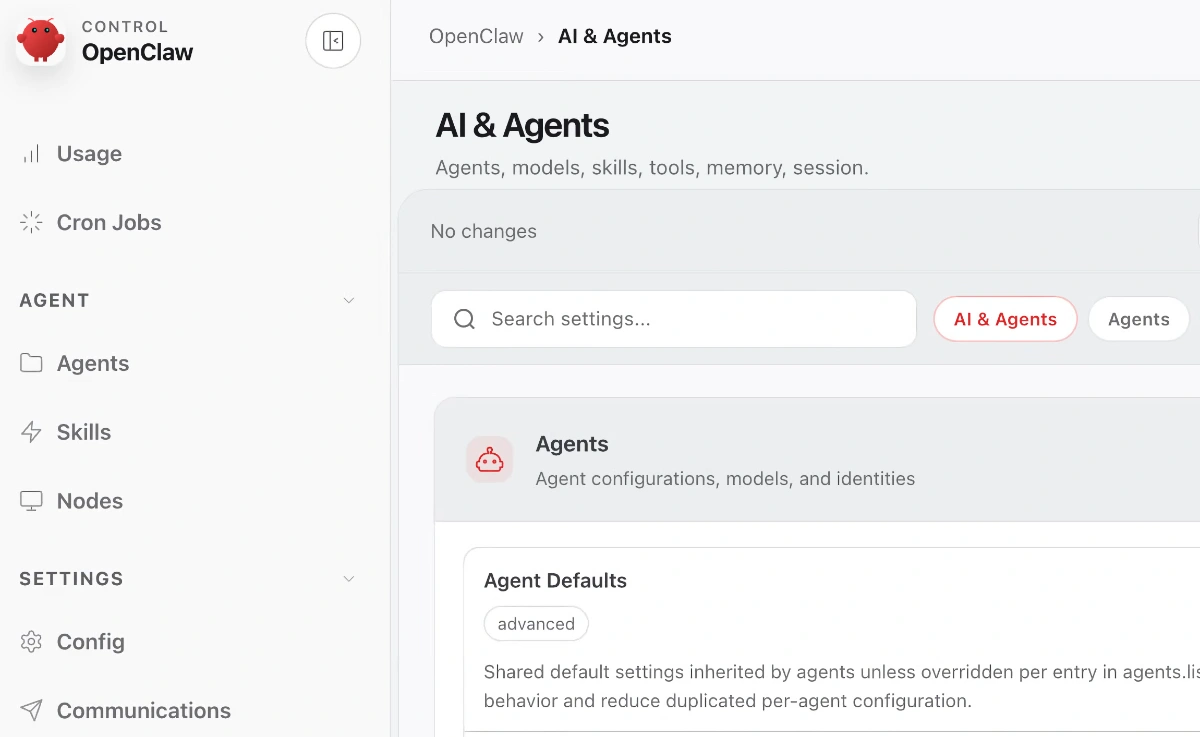
That’s not futuristic. Small businesses are doing this right now with tools like Zapier, Make.com, and Lindy. On the more technical end, OpenClaw is an open-source agent framework that’s gotten a lot of attention for letting you build agents that can actually use your computer, open apps, navigate browsers, and chain tasks together.
The difference between an AI agent and the AI tools you’ve probably already tried is autonomy. ChatGPT waits for you. An agent doesn’t.
Where This Makes Sense
Not every task needs AI reasoning behind it. Sorting emails by subject line? A basic filter still works. You don’t need a neural network for that.
AI agents earn their keep when a task involves judgment, connects multiple tools, or needs a response that changes based on context. The use cases delivering the fastest return right now are lead follow-up, customer support triage, and appointment scheduling. These are the repetitive, multi-step tasks that eat hours every week but don’t actually require your expertise.
The cost has dropped fast. Most small businesses can run useful agent workflows for $50 to $200 a month depending on platform and volume. That’s a fraction of a part-time hire.
Where the Hype Gets Ahead of Reality
Here’s where I pump the brakes.
A lot of content out there makes it sound like you flip a switch and your business runs itself. That’s not how it works. Setting up an AI agent that actually performs well requires clear thinking about your processes first. You need to know what the workflow looks like before you can hand it off to software.
If your lead follow-up is inconsistent because nobody’s sure what to say to different types of inquiries, an AI agent just automates the confusion. Faster confusion is still confusion.
The businesses getting real value from this are the ones that already have decent systems in place. They know their processes. They just don’t have enough hands to run them consistently. That’s the sweet spot.
There’s also a trust question that doesn’t get enough attention. An AI agent sends emails with your name on them. It updates your CRM. It might respond to customers directly. If it gets something wrong, that’s your reputation. Start small. Test hard. Expand once you trust the output.
What This Means for Your Website
If you’re thinking about automation, your website infrastructure matters more than it used to. Your site is the front door for most of these workflows. Contact forms, chat widgets, booking tools, CRM integrations. They all need to work reliably for an agent to do its job.
A slow or broken WordPress site isn’t just a bad first impression anymore. It’s a bottleneck that breaks your automation before it starts.
Same with local SEO. If your Google Business Profile and your website aren’t consistent and accurate, any agent handling customer inquiries is working with bad data from the start. Clean foundations make everything downstream work better. That’s true whether a human is running it or software is.
The Bottom Line
AI agents are not magic. They’re not going to replace you. But for the kind of repetitive, multi-step work that pulls you away from actually growing your business, they’re becoming a legitimate option. The tools are accessible. The costs are reasonable. The learning curve is shorter than most people expect.
The catch is that none of it works well on a shaky foundation. Get your site and your systems right first. Then start automating.
If you want to explore how marketing automation and AI integration can fit into your business, that’s something I help with.