
Most businesses I talk to don’t have a strategy problem. They have an activity problem disguised as a strategy.
They’re posting on social media. Running some Google Ads. Maybe doing a little email. They’re busy. But when I ask what all of it is building toward, the answer is usually some version of “getting more leads” or “we need to be out there.”
That’s not a strategy. That’s a to-do list.
The difference matters because tactics without a strategy just create motion. A strategy without perfect tactics still creates direction. And direction is what compounds over time.
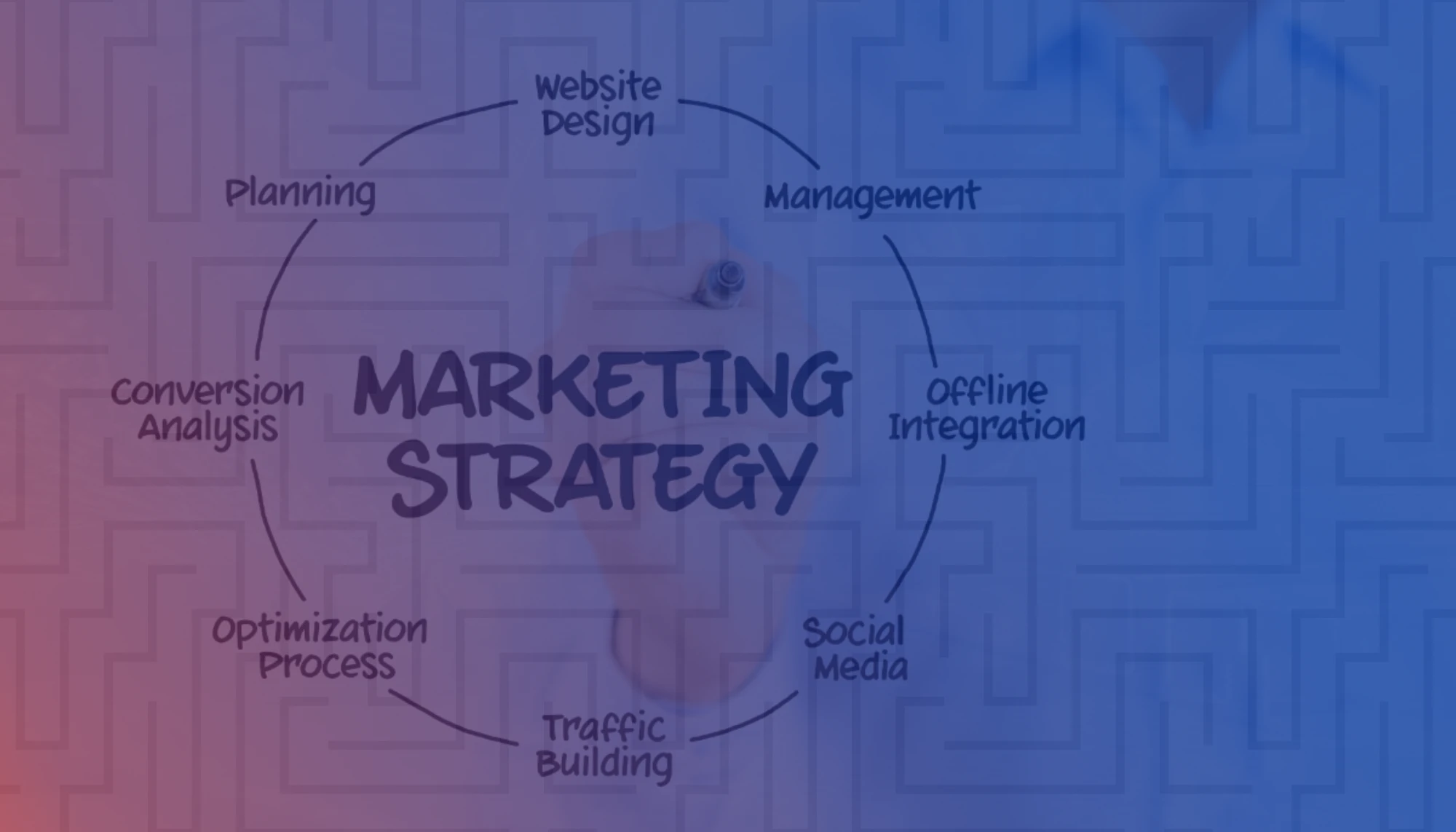
What I Mean by Strategy vs. Tactics
Tactics are the things you do. Run a PPC campaign. Post on LinkedIn. Send a newsletter. Build a landing page. Redesign the website.
Strategy is why you’re doing those things, in what order, and how they connect.
Here’s the distinction in practice. A business that runs Facebook ads because their competitor does is executing a tactic. A business that runs Facebook ads to drive traffic to a landing page that captures emails, then nurtures those contacts through a sequence that books consultations, is executing a strategy. Same tactic. Completely different outcome.
The tactic is the ad. The strategy is the system the ad feeds into.
Most small businesses start with tactics because they’re tangible and feel productive. The problem is that without a strategy connecting them, every tactic operates in isolation. Your social media doesn’t feed your email list. Your email list doesn’t drive people to your website. Your website doesn’t convert the traffic you’re sending it. Everything is running, but nothing is building.
Why This Keeps Happening
There are a few reasons businesses get stuck in tactic mode.
The first is urgency. When you need leads now, it’s natural to reach for the fastest available tool. Google Ads, a social media push, a quick email blast. These can work in the short term, but they create a dependency. The leads stop when the spending stops. Nothing accumulates.
The second is complexity. Digital marketing has more channels, tools, and options than ever. It’s overwhelming. So people pick the ones they understand or the ones a vendor is selling them, without asking whether those channels actually fit their business.
The third is the wrong metrics. When you measure activity instead of outcomes, everything looks like it’s working. Posts are going out. Ads are running. Open rates are fine. But revenue isn’t moving. That gap between activity metrics and business results is where strategy lives.
What a Strategy Actually Looks Like
A strategy doesn’t need to be a 40-page document. For most of the businesses I work with, it fits on one page.
It answers four questions.
Who are we trying to reach? Not “everyone” or “small businesses.” A specific type of person with a specific problem at a specific stage of their buying process.
What do we want them to do? Not “engage with our brand.” An actual action. Fill out a form. Book a call. Buy something. Request a quote.
How will we get them there? This is where tactics come in, but now they’re selected based on the first two answers instead of picked at random. If your audience researches on Google before buying, SEO and content matter more than Instagram. If they need to see proof before committing, case studies and testimonials matter more than blog volume.
How will we know it’s working? Not vanity metrics. Actual business indicators. Qualified leads generated. Revenue attributed to marketing. Cost per acquisition. Repeat purchase rate.
That’s it. Those four questions, answered honestly, will do more for your marketing than any single tactic ever could.
The Diversification Problem
One thing I see constantly is businesses that are over-invested in a single channel. All their leads come from Google Ads. Or all their visibility comes from one social platform. Or all their revenue comes from referrals and they have zero digital presence.
This works until it doesn’t. Google changes its ad policies. A social platform adjusts its algorithm. Your referral source retires or changes their business model. Suddenly your entire lead flow disappears.
A strategy forces diversification. Not for the sake of being everywhere, but because different channels serve different purposes in the buying process. Someone discovers you through a blog post. They come back through an email. They convert through a landing page. They stay because of ongoing value.
No single channel does all of that. But a strategy connects them so they don’t have to.
Strategy Makes Tactics Work Harder
Here’s the practical benefit. When you have a strategy, every tactic you execute reinforces everything else.
A blog post about common WordPress problems doesn’t just attract search traffic. It builds topical authority that helps your service pages rank. It gives you something to share in email. It demonstrates expertise to someone who lands on your site from an ad. One piece of content serves four purposes because the strategy defines how everything connects.
Without that strategy, the same blog post sits on your site doing one job. Maybe it ranks. Maybe it doesn’t. But it’s not feeding anything else because nothing is designed to connect.
This is especially true for local SEO. A business that publishes a Google Business Profile guide, links it to their local SEO service page, references it in their email sequence, and uses it as a resource when answering questions on social media is getting five times the value from one piece of content. That’s strategy making tactics efficient.
When to Bring in Outside Help
Most business owners can identify their own tactics. They know they need a better website, or more visibility on Google, or a way to follow up with leads. What they usually can’t see clearly is how those pieces should connect, what order to build them in, and which ones actually matter for their specific situation.
That’s the gap a fractional CMO fills. Not doing all the work, but building the strategic framework that makes the work effective. Setting priorities. Defining the system. Making sure the tactics serve the business instead of just keeping everyone busy.
I’ve spent 25 years watching businesses waste money on tactics that weren’t connected to anything. The ones that grow consistently are never the ones with the most tools or the biggest ad budgets. They’re the ones with a clear strategy and the discipline to execute it.
If your marketing feels busy but directionless, the fix usually isn’t another tactic. It’s stepping back far enough to see what you’re actually building.
If that’s a conversation you want to have, I’m here.